

Perinatal Mental Health
Training for Providers
This culturally responsive Perinatal Mental Health Training equips providers with the knowledge, screening tools, and clinical strategies needed to support birthing people during pregnancy and postpartum.
Strengthen Your Skills Supporting Birthing Families
Perinatal Mental Health Training for the Entire Maternal Care W orkforce
Who This Perinatal Mental Health Training Is For
Maternal mental health is not the responsibility of one profession alone. Birthing families interact with multiple providers throughout pregnancy and postpartum. Every professional in the perinatal ecosystem plays a role in recognizing mental health concerns and supporting early intervention.
This training prepares providers across disciplines to work with shared language, screening practices, and referral pathways that improve maternal mental health outcomes.
-

Birthworkers
Doulas, lactation consultants, midwives, childbirth educators, and birth support professionals working closely with families during pregnancy and postpartum.
-

Mental Health Clinicians
LCSWs, LMFTs, psychologists, psychiatrists, and licensed or associate mental health professionals providing therapy and mental health care.
-

Medical Providers
OB/GYNs, nurses, pediatricians, midwives, nurse practitioners, physician assistants, and primary care providers supporting maternal health.
-
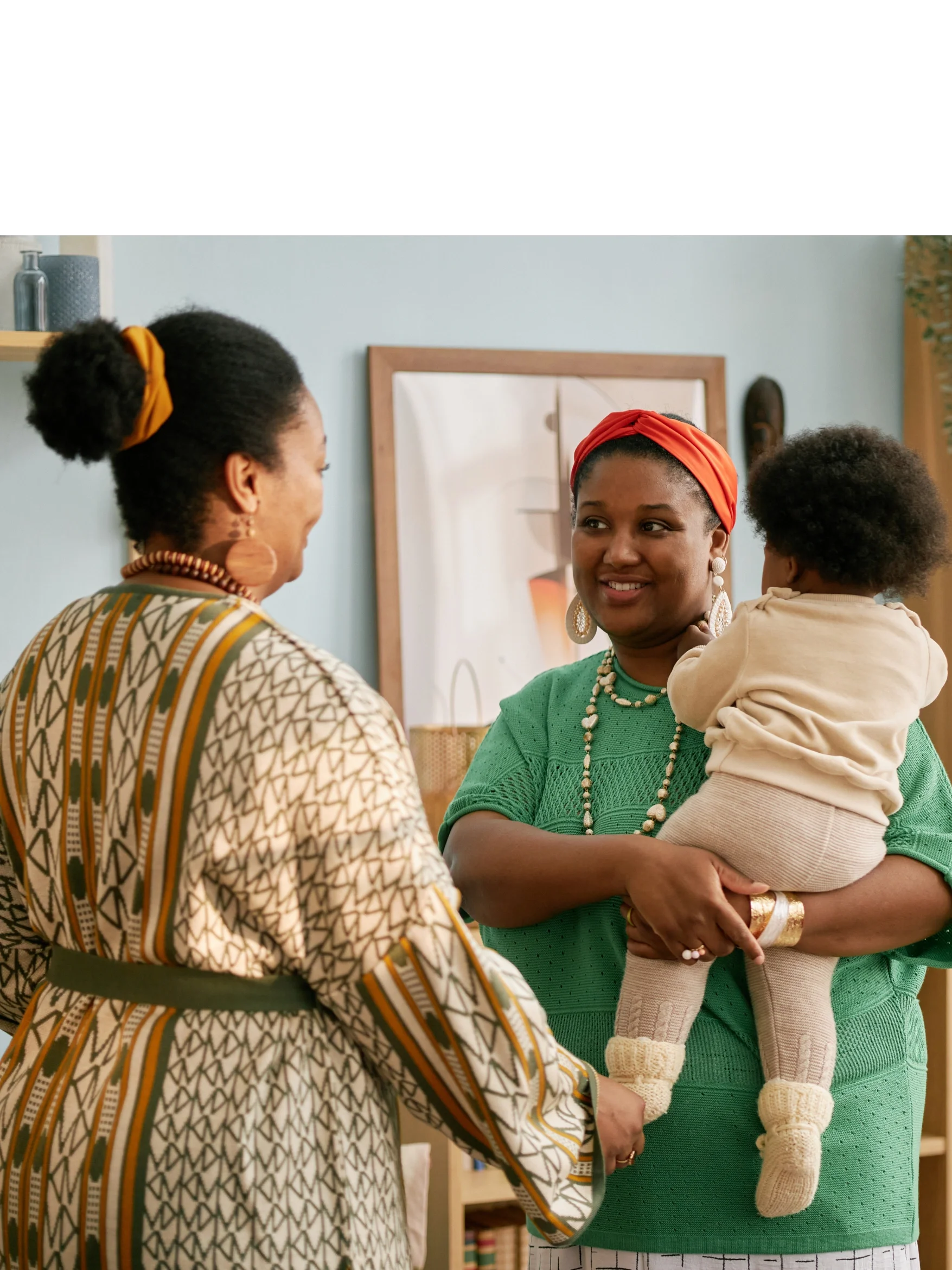
Community & Social Service Providers
Home visitors, case managers, public health professionals, early childhood specialists, and community health workers supporting families in community settings.
Is This Training Right for You?
This training is designed for professionals who support pregnant and postpartum individuals and want to strengthen their ability to recognize and respond to maternal mental health concerns. If your work places you in contact with birthing families, this training provides practical tools, screening strategies, and culturally responsive approaches that can be applied directly in your care setting.
You Work Directly with Birthing Families
You work directly with pregnant or postpartum individuals across clinical, medical, or community settings.
You Want to Recognize PMADs Earlier
You want to strengthen your ability to recognize perinatal mood and anxiety disorders before symptoms escalate.
You're Seeking CEUs Toward PSI PMH-C
You are seeking continuing education units toward PSI PMH-C certification or recertification requirements.
You Need Practical Screening and Referral Tools
You want practical tools for screening, referral, and interdisciplinary collaboration you can apply immediately in your work.
You Serve Diverse and Underserved Populations
You serve diverse populations and want to deepen culturally responsive care practices especially for Black birthing families.
You Will Benefit from This Training If:
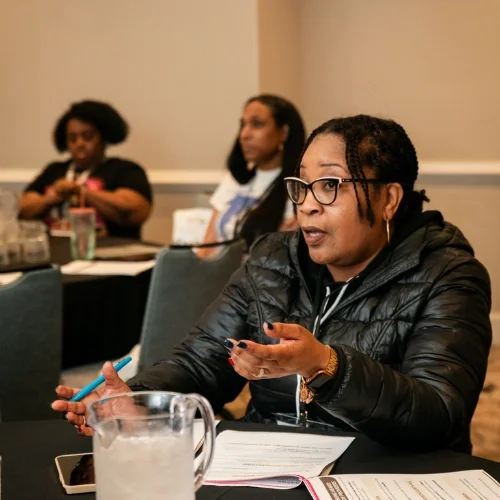
The Training Gap
The Perinatal Mental Health Skills Many Providers Never Learned
Most clinicians, medical providers, and birth workers receive little formal training in maternal mental health during their professional education. Graduate programs often focus on general mental health, medical care, or childbirth support but rarely address the unique emotional, cultural, and systemic factors that shape the perinatal period.
As a result, many providers enter maternal health settings without the specialized tools needed to recognize and respond to perinatal mental health concerns.
This training helps close that gap.
-
Many providers are familiar with postpartum depression, but fewer receive training on the broader range like anxiety, OCD symptoms, trauma responses, and intrusive thoughts.
-
Perinatal mental health screening often happens inconsistently across medical, mental health, and community settings.
-
Providers learn how systemic racism, stigma, and historical trauma shape how Black birthing individuals experience and express mental health distress.
-
Participants learn strategies for creating safe conversations that encourage honest disclosure.
-
Providers strengthen collaboration between clinicians, medical providers, birth workers, and community programs.
-
When providers understand how maternal mental health concerns appear across different care settings, they can identify symptoms earlier and connect families with appropriate care.
Black Birthing People Are Being Failed by the System
The Urgent Need
Black birthing individuals face significant disparities in both maternal health outcomes and access to mental health care, driven by systemic racism, bias in healthcare systems, and barriers to treatment. These are not gaps that resolve on their own. They require trained providers.

Maternal mental health conditions affect 1 in 5 birthing people, yet more than 600,000 mothers in the United States experience these disorders each year, and up to 75% never receive treatment due to lack of screening, stigma, or barriers to care. Mental health conditions, including suicide, substance use, and untreated depression, are among the leading causes of pregnancy-related death in the United States, and the gap in trained providers makes this worse.
“Mental health conditions like suicide, substance use, and untreated depression are among the leading causes of pregnancy-related death in the United States. Black women carry this burden disproportionately.”
(Maternal Mental Health Leadership Alliance, 2023)
What Providers Learn in This Perinatal Mental Health Training
Practical Skills You Can Apply Immediately
-

Recognize Early Warning Signs
Identify perinatal mood and anxiety disorders before symptoms escalate.
-

Strengthen Screening and Assessment
Use validated screening tools and interpret results effectively.
-

Deliver Culturally Responsive Care
Understand how systemic racism, bias, and historical trauma influence maternal mental health experiences.
-

Improve Care Coordination
Build effective referral pathways between clinicians, medical providers, and community programs.
-

Support Families with Confidence
Provide informed, compassionate support during one of the most vulnerable seasons of a family's life.
-

Navigate Difficult Conversations
Open conversations about mental health concerns in ways that reduce shame, encourage honest disclosure, and keep families engaged in care.
What Providers Are Saying
Heard from Providers Who've Been in the Room
-
★★★★★
"This program helped me better support my community and build partnerships where patients feel truly safe and not judged."
— Nurse -
★★★★★
"Understanding how a birthing parent might experience stress or trauma deepened my clinical awareness in a meaningful way."— Mental Health Professional
-
★★★★★
"Learning about the screenings used for this population gave me practical tools I can implement in my patient interactions."
— Healthcare Provider
Join the Providers Raising the Standard of
Maternal Mental Health Care
A growing community of clinicians, birth workers, and medical providers is choosing to show up differently for birthing families. This is your invitation to be one of them.
Virtual Training · CEUs Eligible Toward PSI Certification
$500 PER PARTICIPANT